EVENTS & WORKSHOPS
NUCNet will deliver a programme of workshops, roundtables, and an annual conference, bringing together stakeholders from across the UK food system. These events aim to guide the direction of UK research into the adoption of NUCs by identifying current challenges, barriers, and opportunities.
Event Highlights Members Won’t Want to Miss!
Annual conference
The conference is open to all network members and will showcase the diversity of membership through invited talks and posters from different sectors. The goals being to identify novel questions and opportunities afforded by the NUCS which can be explored through targeted meetings, to identify and prioritise research gaps, and offer direction for NUCNet pump-priming funding.
Further information about the 2026 conference will be available soon.
Farmer Days
Each July, the NUCNet hosts two dedicated Farmer Days at NIAB (Cambridge) and the University of Reading.
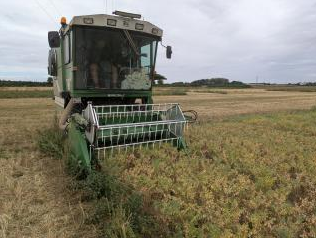
Next Farmer Days will be in July 2027.
Scroll down this page to read about our 2026 Farmer Days.
Network In-Focus Meetings
NUCNet members are invited to join small focus group online meetings, with topics chosen by the network and sessions facilitated by members of the NUCNet Management Board.
See below for more information.
Meeting schedule now available
Upcoming events
In-Focus: NUCNet Crop & Research Question Meetings
About
NUCNet hosts a series of focused Single Crop or Research Question meetings throughout the year, designed to bring members together for open, constructive discussion and collaboration.
Held approximately three times per year, these online sessions create space for honest conversation, debate, and idea exchange across the network.
This Online Meeting Code of Conduct outlines the standards of behaviour expected of all members.
What to expect
Each session (typically 60–90 minutes) is structured to maximise engagement and impact:
- A brief introduction to NUCNet
- Discussion of three key “hot topics”
- Open debate and collaborative input from participants
- Identification of actions, next steps, and potential collaborators
Meetings are facilitated by a member of the NUCNet Management Board, ensuring focused and productive discussion.
Who can attend?
All NUCNet members are warmly invited to join and contribute.
Why attend?
These sessions provide an opportunity to:
- Identify opportunities for collaboration and funding
- Share insights and perspectives
- Shape emerging research directions
- Build connections across the network
These meetings are exclusively for NUCNet members. All sessions will be held online, and registered members will receive a registration form and joining link in advance. Interested in joining one or more of these meeting? Join NUCNet!
Past Events
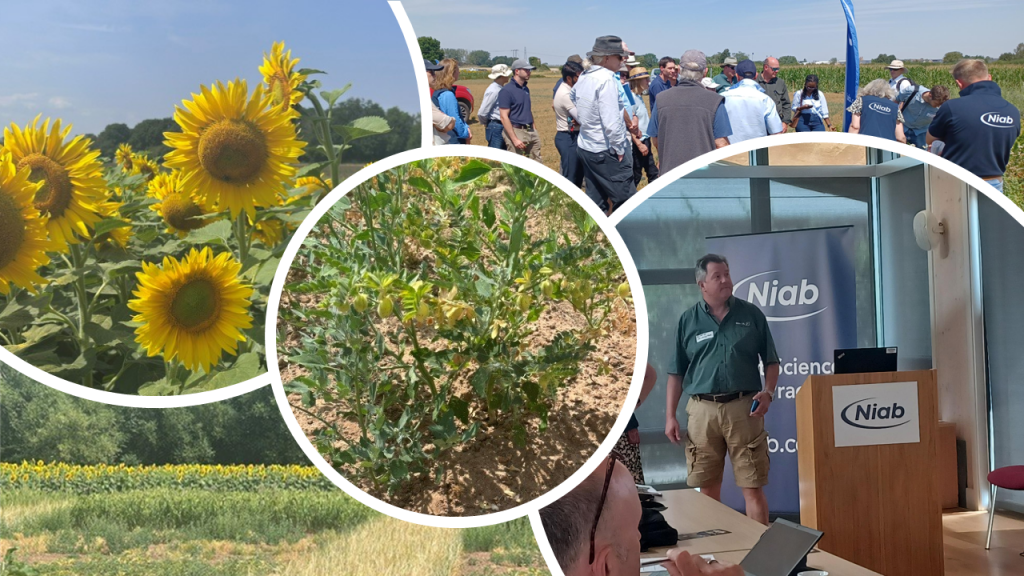
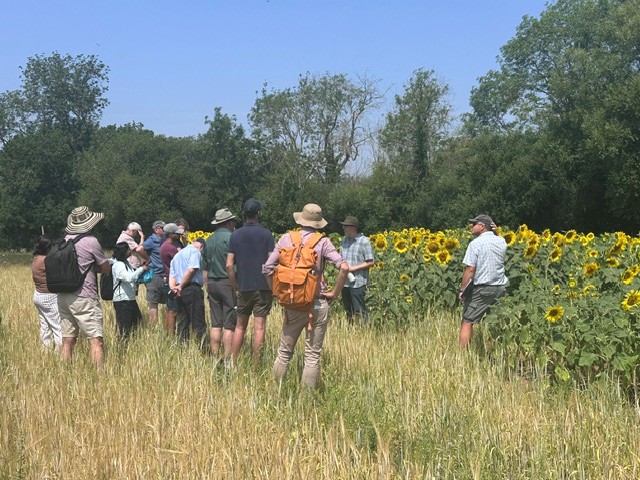
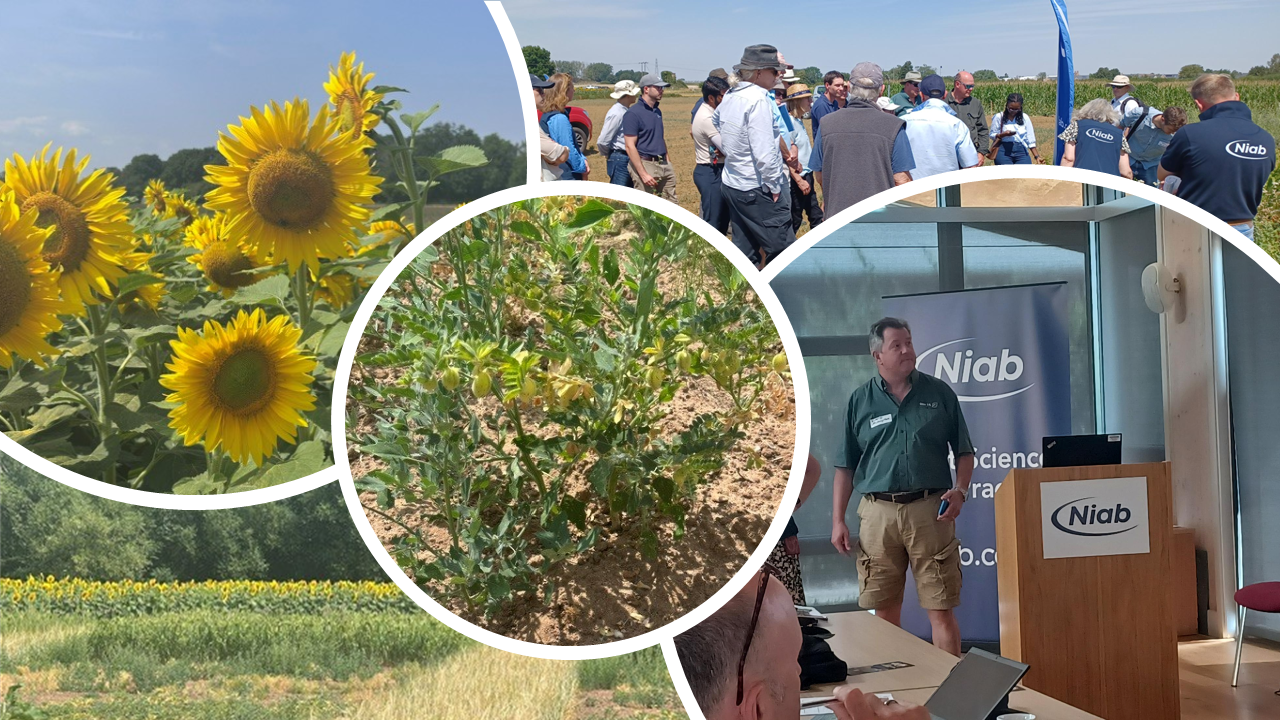
NUCNet Farmer Days 2026 showcasing Novel and Underutilised Crops
In July, NUCNet held its first network events, hosting two Farmer Days aimed at showcasing Novel and Underutilised Crops (NUCs). Despite exceptionally hot weather and the pressures of the early harvest season, both events attracted strong attendance from growers, researchers, and industry stakeholders. Continue reading…
NEWS
Filter By Category:
-
(13)
-
(1)
-
(5)
-

Publication: Bringing underutilised crops into the mainstream:
NUCNet co-Lead Pete Iannetta from the James Hutton Institute, has a publication to share with members. Bringing underutilised crops into the mainstream: Global food production depends heavily on wheat, maize and rice, despite the thousands of other edible crops available.…
-

Bulrush Takes the Prize in Groundswell’s Novel Crops Challenge
NUCNet member Colin Tosh, Senior Agroforestry Researcher, Organic Research Centre reports on Groundswell’s “8 Minute Ideas on ‘Novel Use’ Crops” session. What might British farmers grow in the future? That was the question behind Groundswell’s lively “8 Minute Ideas on…
-

Bio-Innovation Translation Ecosystem in Cambridge
Network member Aleks Szopinska from ClearGate has this news to share with members. Together with a group of research and industry experts, ClearGate have established a new approach and platform to accelerate new product developments and foster successful collaborations between…
-
Publication: Field-based assessment of sowing date-induced temperature stress on growth, sensitivity, and yield of four cucurbit species
NUCNet member Kakul Smiti, PhD Research Scholar, School of Environmental Sciences, Jawaharlal Nehru University, New Delhi, India has a publication to share with members. This study investigates how sowing date-induced temperature stress influences the growth, temperature sensitivity, and yield of…
-
The Pulse Crop Genetic Improvement Network (PCGIN) Stakeholder Meeting and Publication
NUCNet member Janneke Balk (PCGIN Management Team) would like to share their networks’ upcoming stakeholder meeting that will take place on 4 February 2027 at the John Innes Centre. A dedicated event page has been created on the PCGIN website,…
-
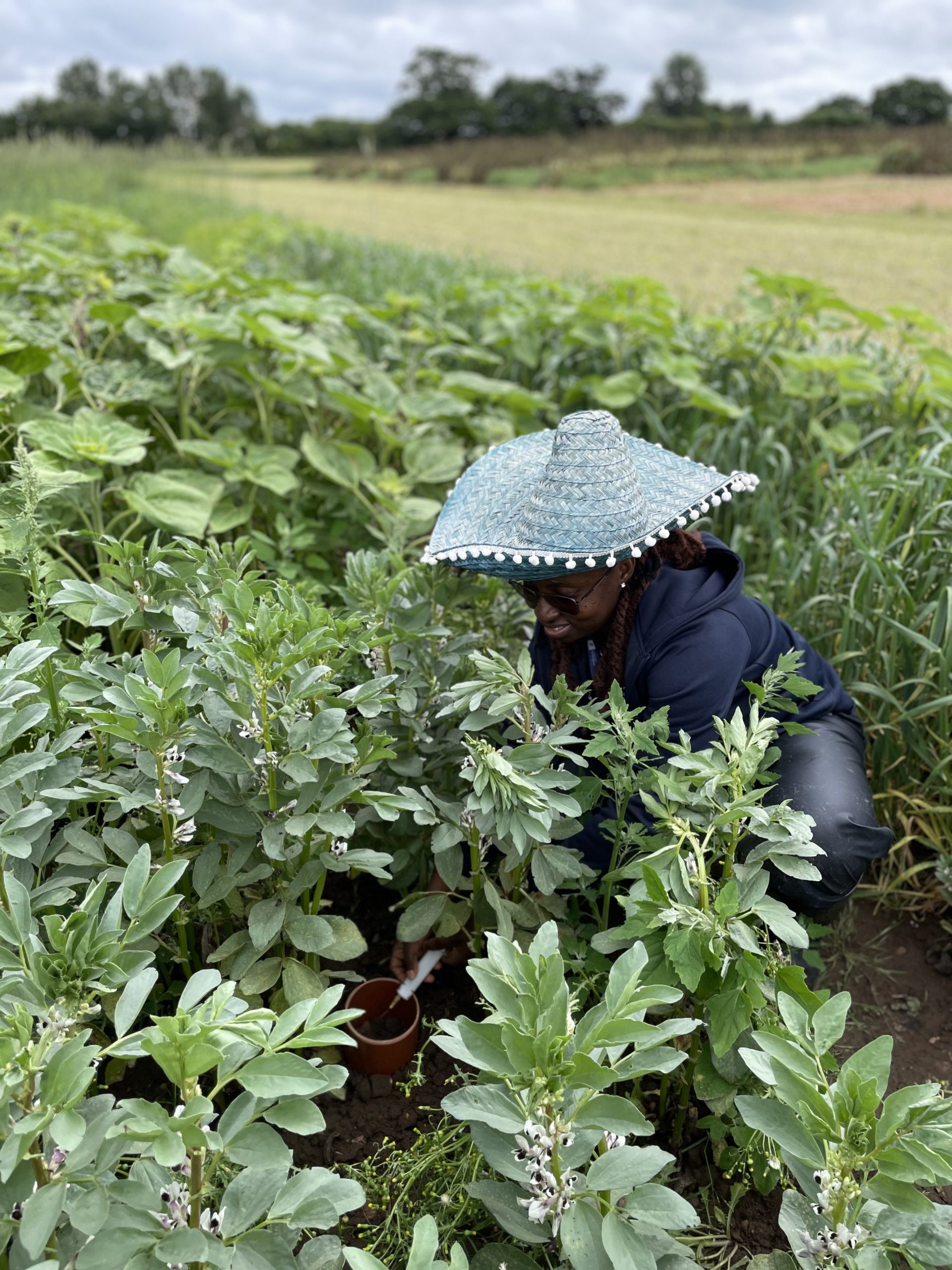
Publication: Improving Annotation, Access, and Comparison of Nutritional Composition Data for Underutilised Crops
NUCNet member Dr Guillermina Mendiondo, Assistant Professor, Plant and Crop Sciences in Translational Agriculture, University of Nottingham would like to share this publication with members. Diversifying our food systems: New data framework makes nutritional information on underutilised crops more accessible…
-
Why Partner with NUCNet?
Partnerships between industry and research networks such as NUCNet create value for all involved. Organisations benefit from access to evidence-based insights, emerging innovations, collaborative funding opportunities, and connections with businesses, policymakers, NGOs, and other key stakeholders. They also have the…
-

NUCNet Announces Early Career Researcher Management Board(ECR-MB)
We are delighted to announce the appointment of the NUCNet Early Career Researcher Management Board (ECR-MB). Following a strong response from across our community, we are pleased to welcome Ahsan, Aiswarya, Agnes and Swati and look forward to the impact…
-
Grow the network
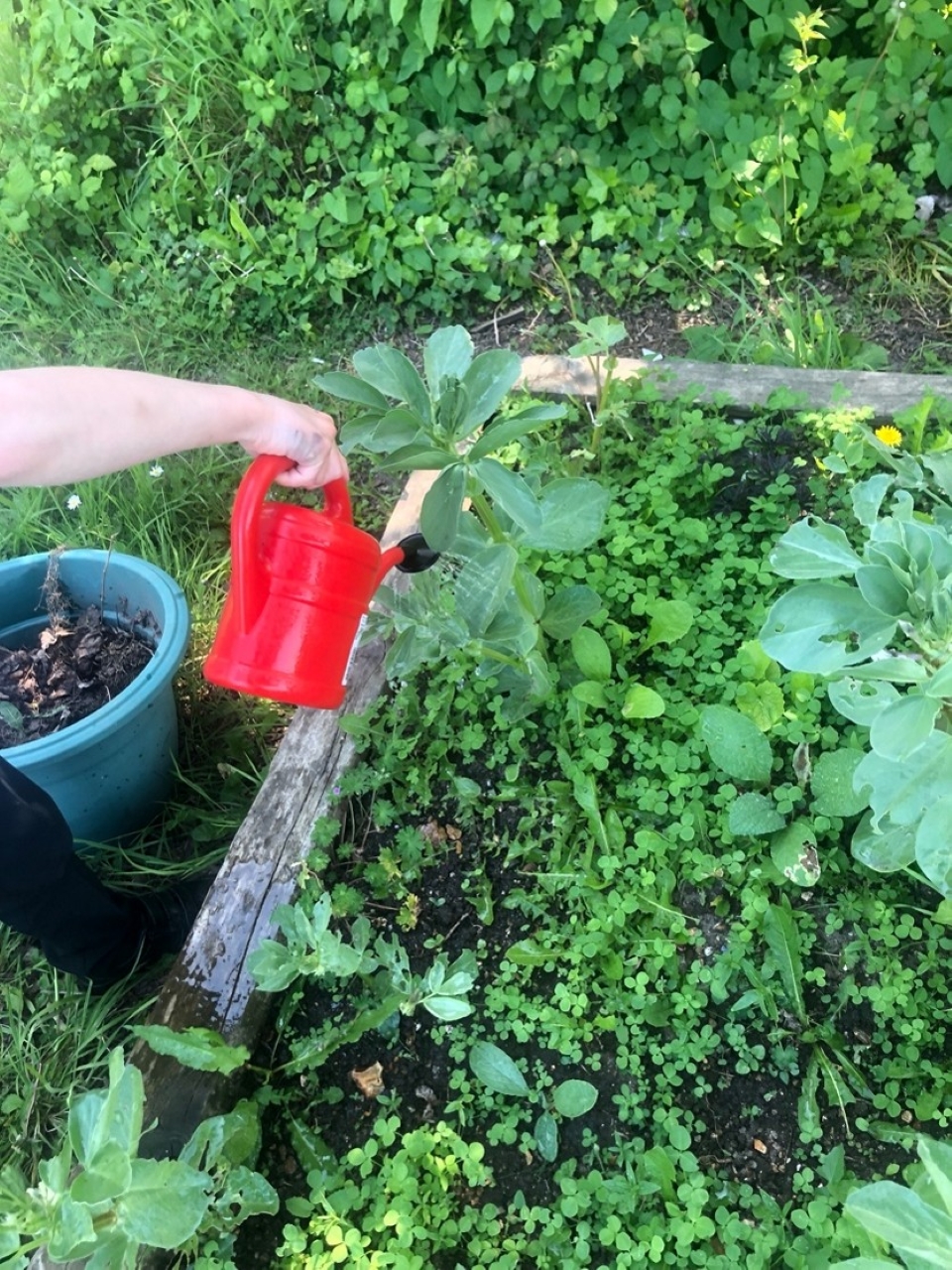
Help us grow the NUCNet community. Please share the text below with your colleagues, professional networks, and through any newsletters or communication channels you have access to. NUCNet, the Novel and Underutilised Crop Network Climate change could cost the UK…
-
NUCNet Farmer Days 2026 showcasing Novel and Underutilised Crops
In July, NUCNet held its first network events, hosting two Farmer Days aimed at showcasing Novel and Underutilised Crops (NUCs). Despite exceptionally hot weather and the pressures of the early harvest season, both events attracted strong attendance from growers, researchers,…